
-

How and why to use an anonymous Signal account
—
in OrganisingWhat is Signal? Signal is a secure messaging application, which allows you to send encrypted messages to your contacts. We recommend anyone sending instant messages or setting up chat groups for political organising uses a secure platform like Signal, in order to protect their privacy. Signal’s end-to-end encryption protects the contents of messages from being…
-
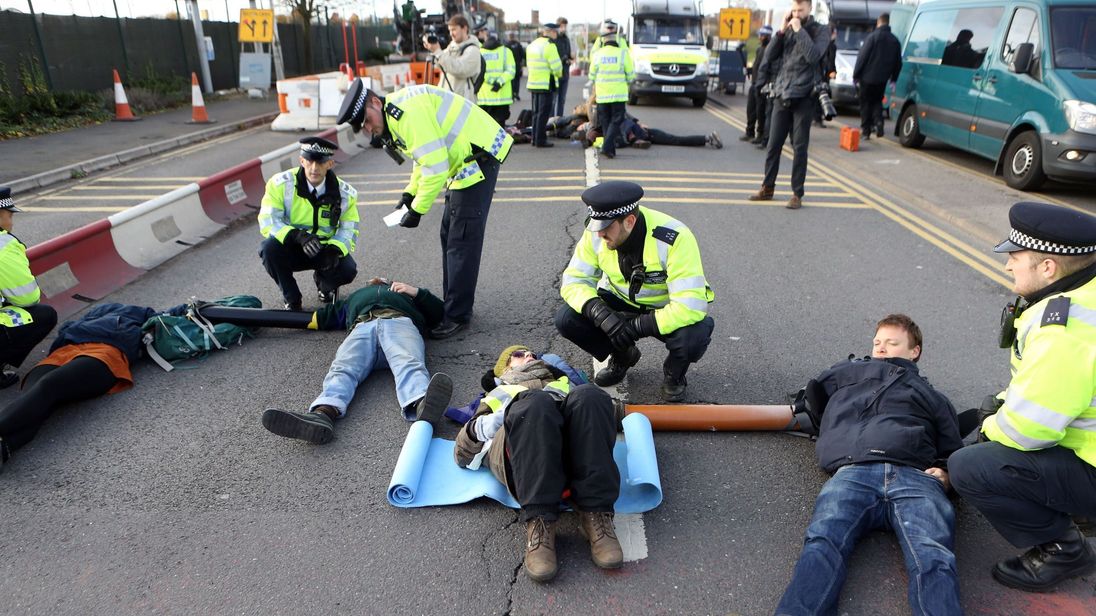
Planning protests involving direct action or civil disobedience
—
in OrganisingUse the process of managing low/medium/high risks as the basis for planning your action if there is a prospect of arrests, media attention or police surveillance. As members of your campaign or group, consider together: Divide up responsibilities Every decision need not involve everyone – so divide up your planning and organising into separate teams:…
-
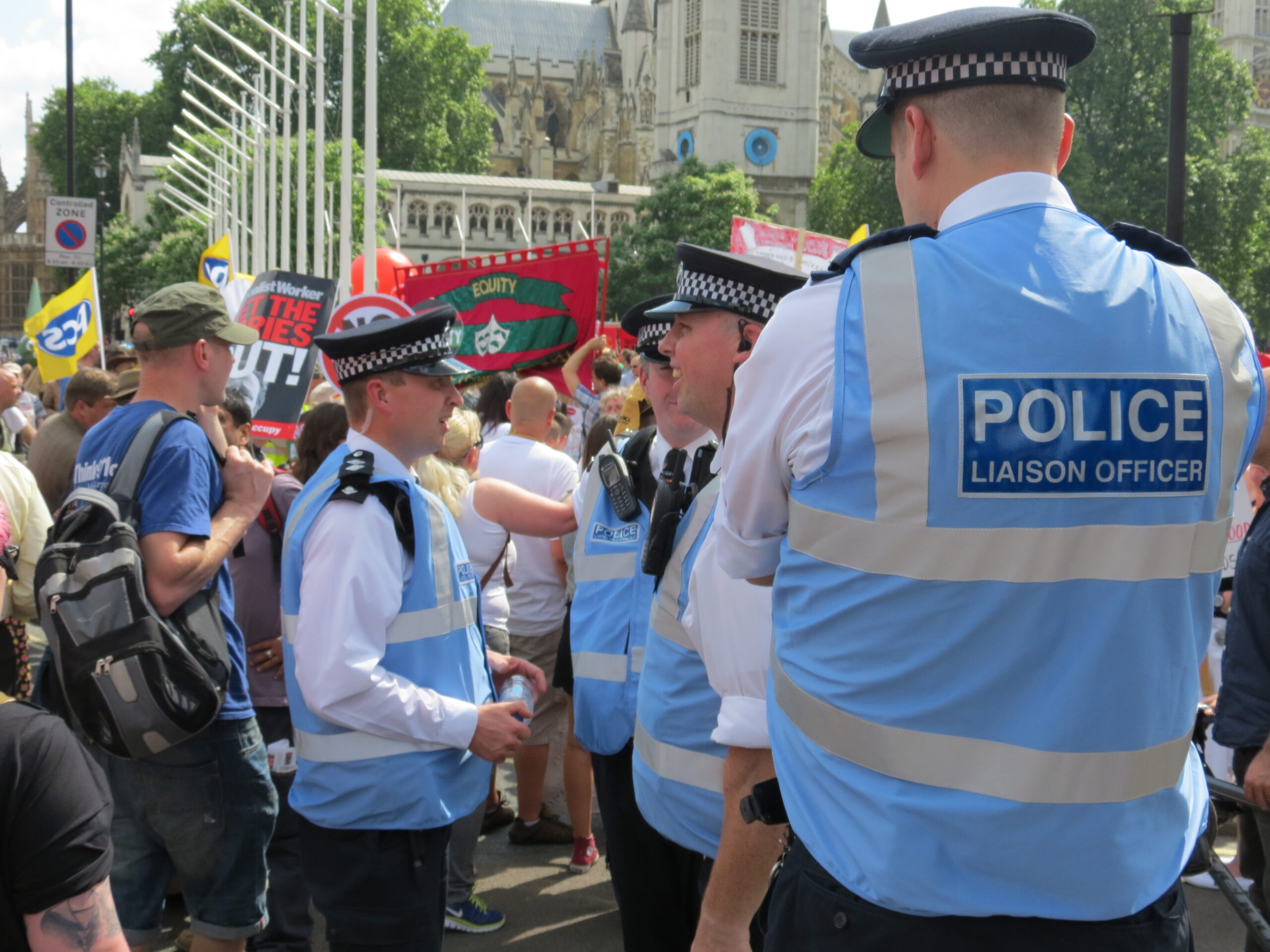
What are Police Liaison Officers?
—
in ProtestsThe presence of uniformed officers at many demonstrations around Britain, who wear light blue bibs with “Police Liaison Officer” on the back, has become commonplace. They seem more friendly than other officers, but their efforts to chat with protesters hide their true role. Police leaders claim their job is to undertake what is misleadingly called…
-

Managing risks to your campaign group
—
in OrganisingLike “never cross a picket line”, the principle that we “look out for each other” should become ingrained in the ways we organise. But too often the way campaigners talk about security is all or nothing. Make a plan Rather than muddling though and hoping everything will work out – make a plan that everyone…
-

Advice on Livestreaming
—
in ProtestsWhen live-streaming protests, there is a danger of crossing the line from your sense of undertaking “citizen journalism” to becoming essentially a CCTV cameras – a camera that unlike the ones used by the state, quite often comes with a “director’s commentary”. To avoid inadvertently incriminating demonstrators and livestream carefully and safely, consider the following:…
-
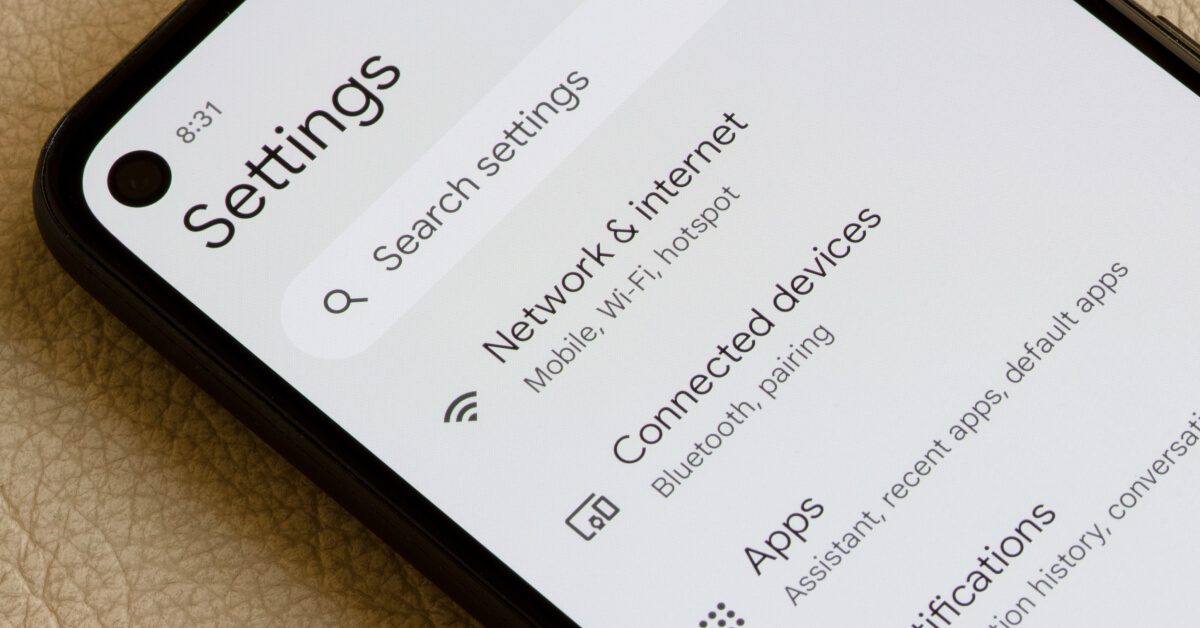
How to set up your phone before a protest
—
in ProtestsThe best way to make sure your smartphone is secure at a protest is to leave it at home. But many people find it difficult to leave their phone at home – so what can you do to make your phone more secure when going on a protest? To prevent the phone being seized during…
-
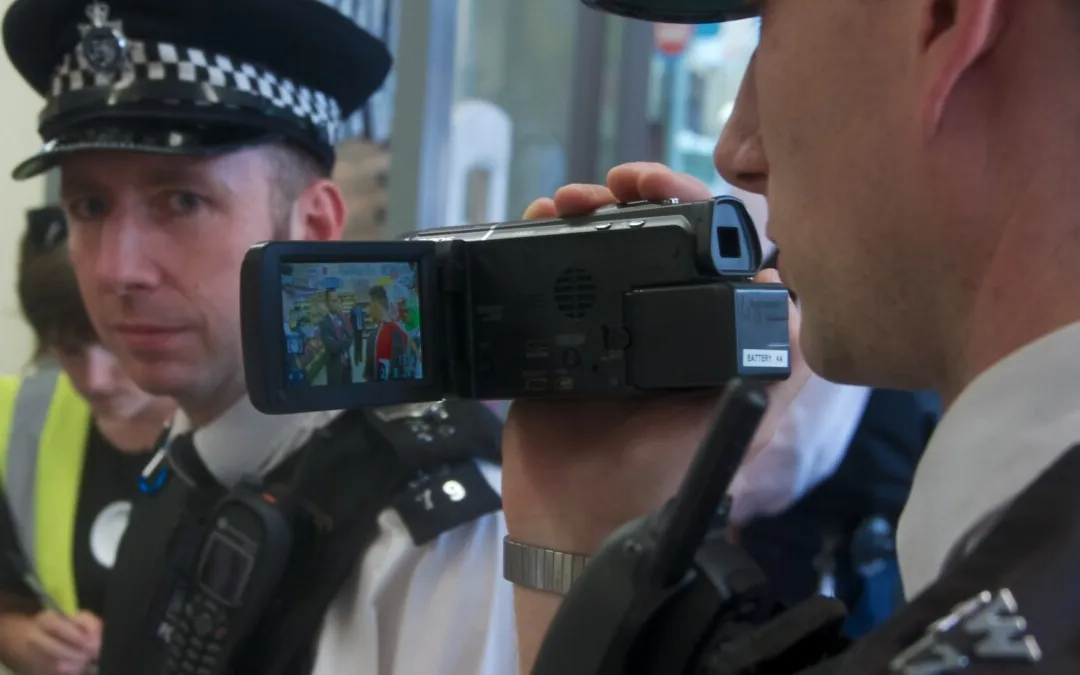
Lost in the Matrix- how police surveillance is labelling anarchist ideas
—
in PolicingA section of Netpol’s workshop delivered by Kevin Blowe at the London Anarchist Bookfair 2022. This talk covers the new ‘Thresholds and Terminologies Matrix’ that police in England and Wales now use to determine who is an ‘Aggravated Activist’ and how they will be policed. While this talk focuses on anarchism, the new classification system…