
Author: Campaigns
-

What to do if the police show up at your meeting
—
in OrganisingIf the police are raiding your meeting There have been several incidents where the police have raided venues to pre-emptively arrest people planning protests or simply holding social events to explain their campaigning activities. Invariably this is targeted towards particular individuals but raids can also sweep up everyone. A police raid is sudden, frightening and…
-

How to introduce ‘keeping each other safe’ at meetings
—
For all the advice you receive on minimising risks to your group and its members, eventually you have to find a way to put this into practice. Many campaigners are understandably worried that talking about police surveillance will frighten new people way from active participation, so how do you introduce the topic? Public events Any…
-
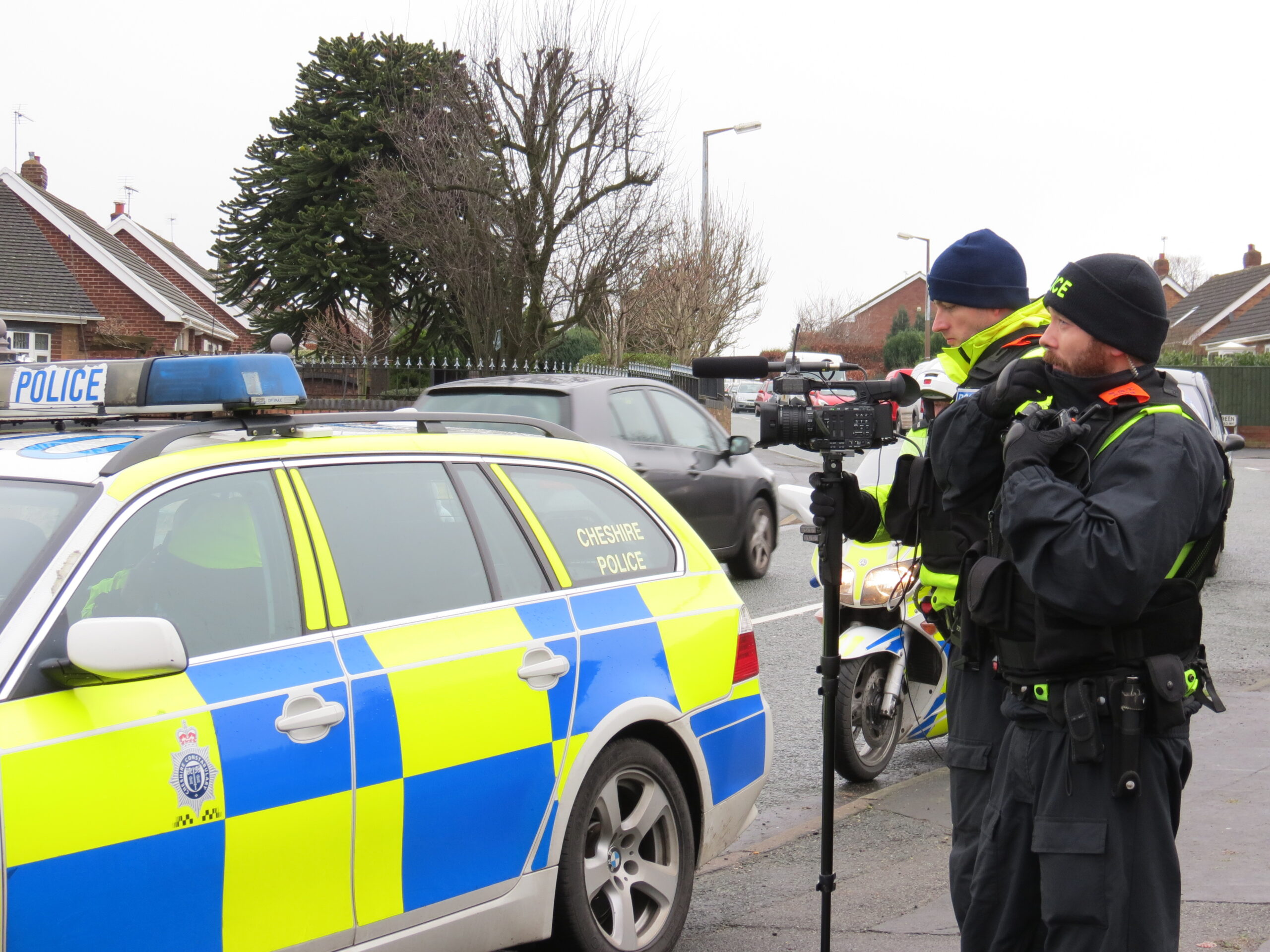
Dealing with police surveillance at public gatherings
—
in OrganisingFinding a venue Finding an appropriate and affordable venue is often the most difficult part of organising any public event. Unfortunately, this can be even harder if the meeting or conference is related to protest or activism. Venue managers may become nervous of their venue becoming the focus of conflict, or that they may attract…
-
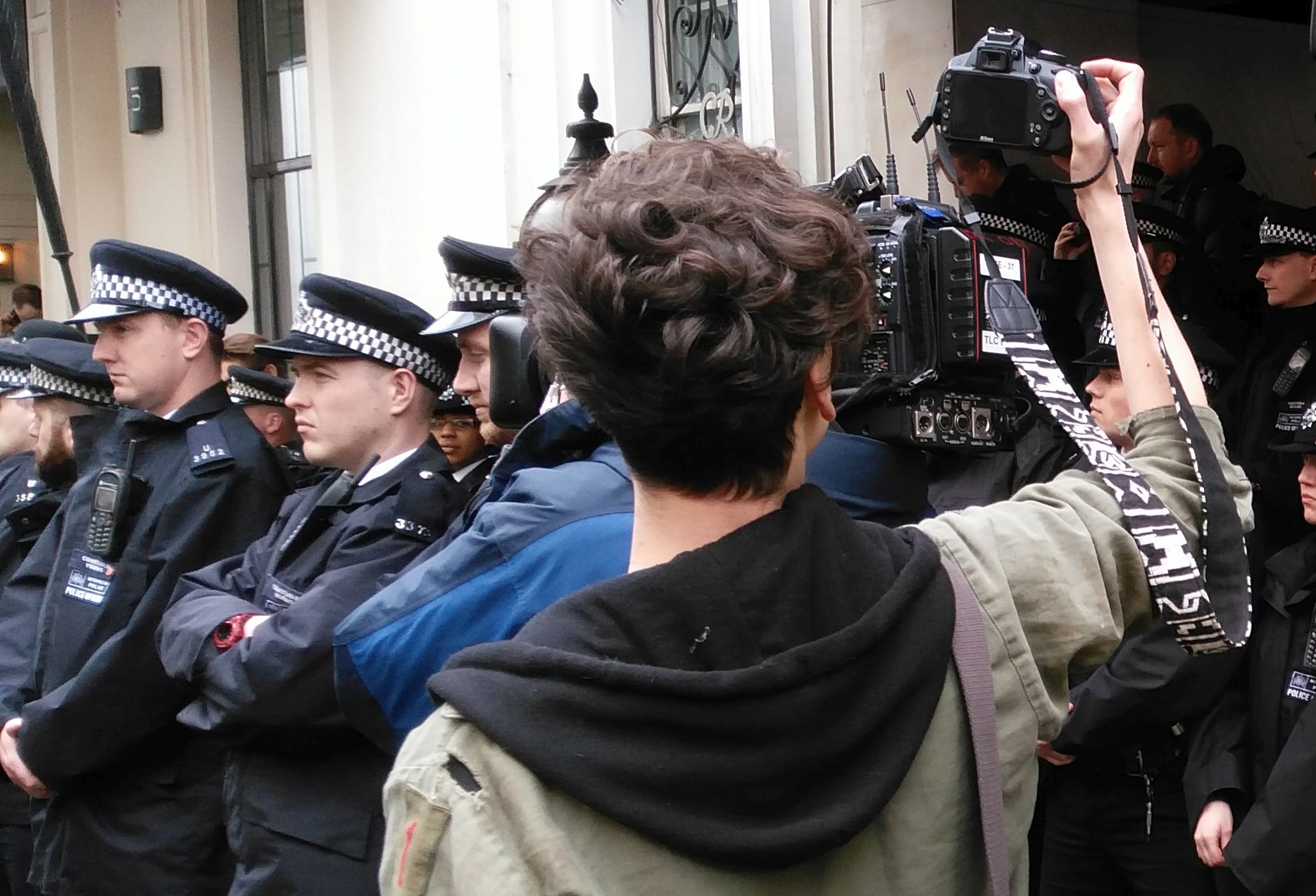
Filming the police
—
in ProtestsWhy stop and film? Ordinary people stopping and filming the police can mean that officers behave differently than they would if no-one was watching and recording their actions. This might make the experience for the person who has been stopped or arrested feel far less intimidating or threatening. Can I legally film the police? The…
-
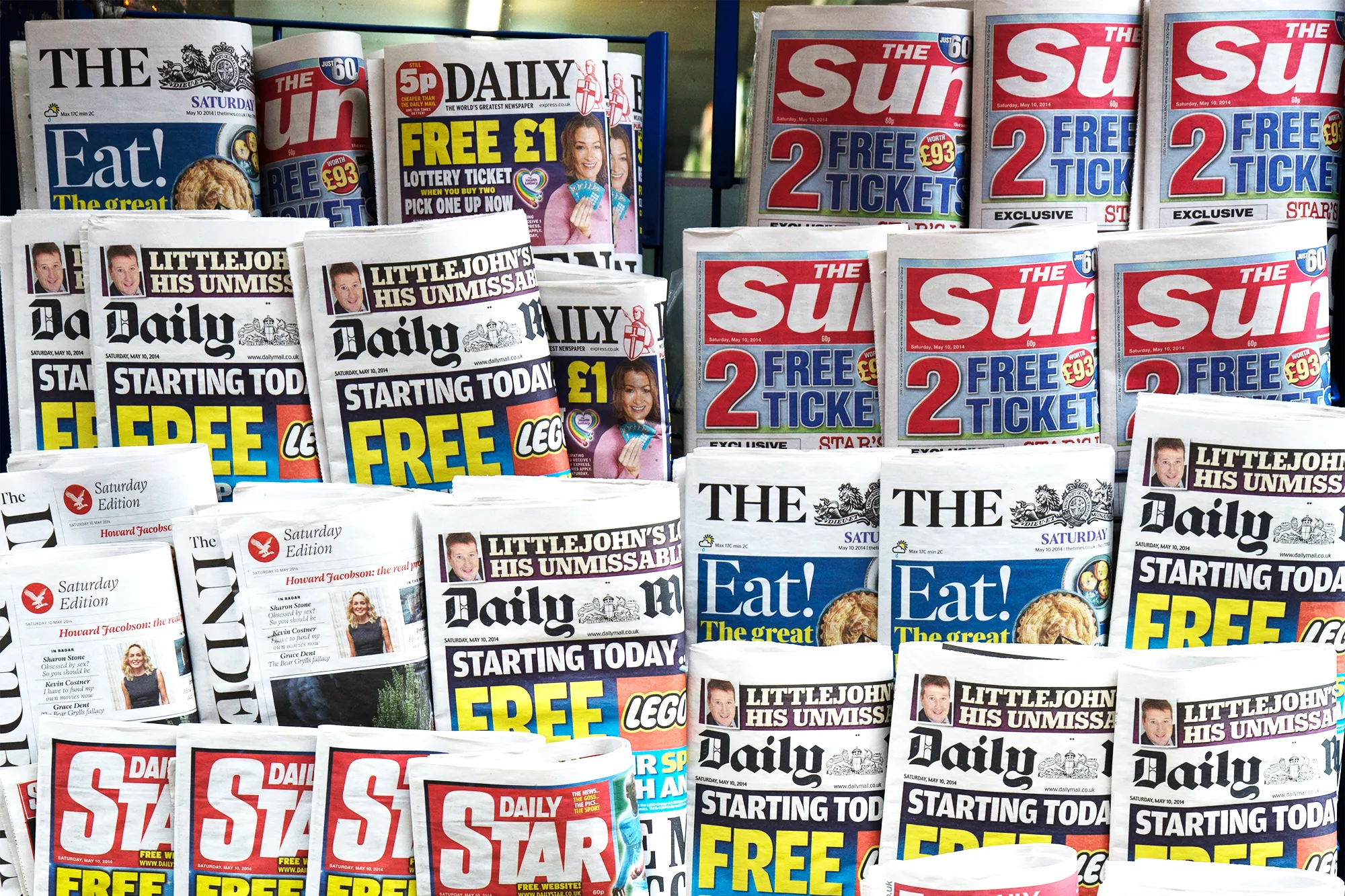
Dealing with tabloid journalists
—
in OrganisingThe hallmark of sensationalist tabloid reporting is generating fear and outrage, invariably in defence of deeply partisan, reactionary politics. Campaigners who use direct action and civil disobedience tactics are often seen as a target for this kind of “journalism”. In particular, reporters have turned up at meetings or attended online discussions looking for gossip and…
-

Use a Virtual Private Network (VPN) for online privacy
—
Tech advice remains current for a short time. This article was changed to our newer VPN guide in December 2025. When and why should you use a VPN When you don’t use a VPN your Internet Service Provider (ISP the company or institution providing your connection) can see the links you are accessing, though they…
-
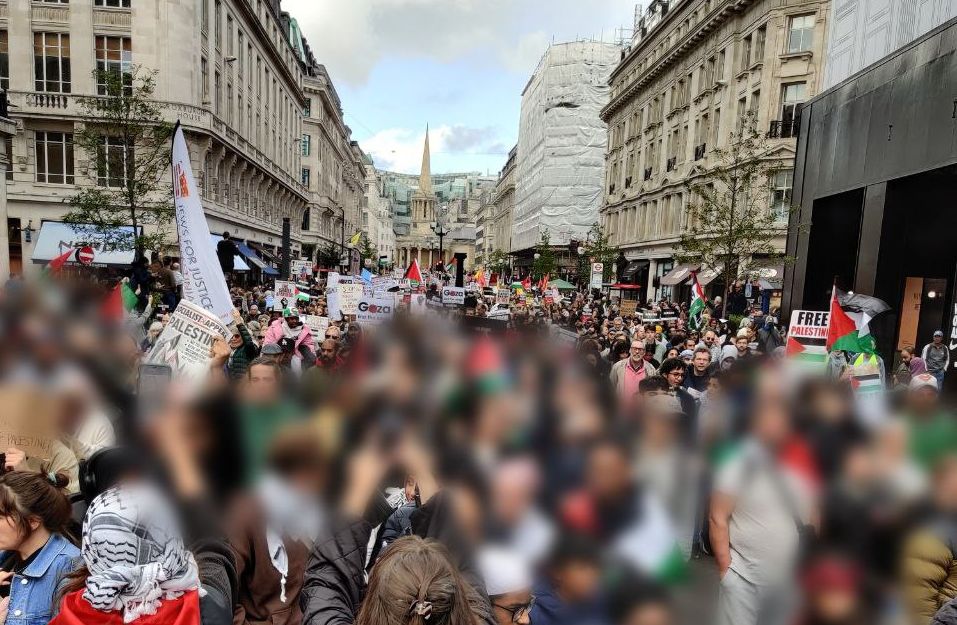
Blurring faces in videos
—
in ProtestsVideo shared online is a significant source of intelligence for the police and so – if you consider the risk warrants protecting someone’s identity – you may want to blur faces in a video clip before sharing it on social media. There are a number of tools that offer this. These resources come and go,…
-
Reasons to wear a mask at a protest
—
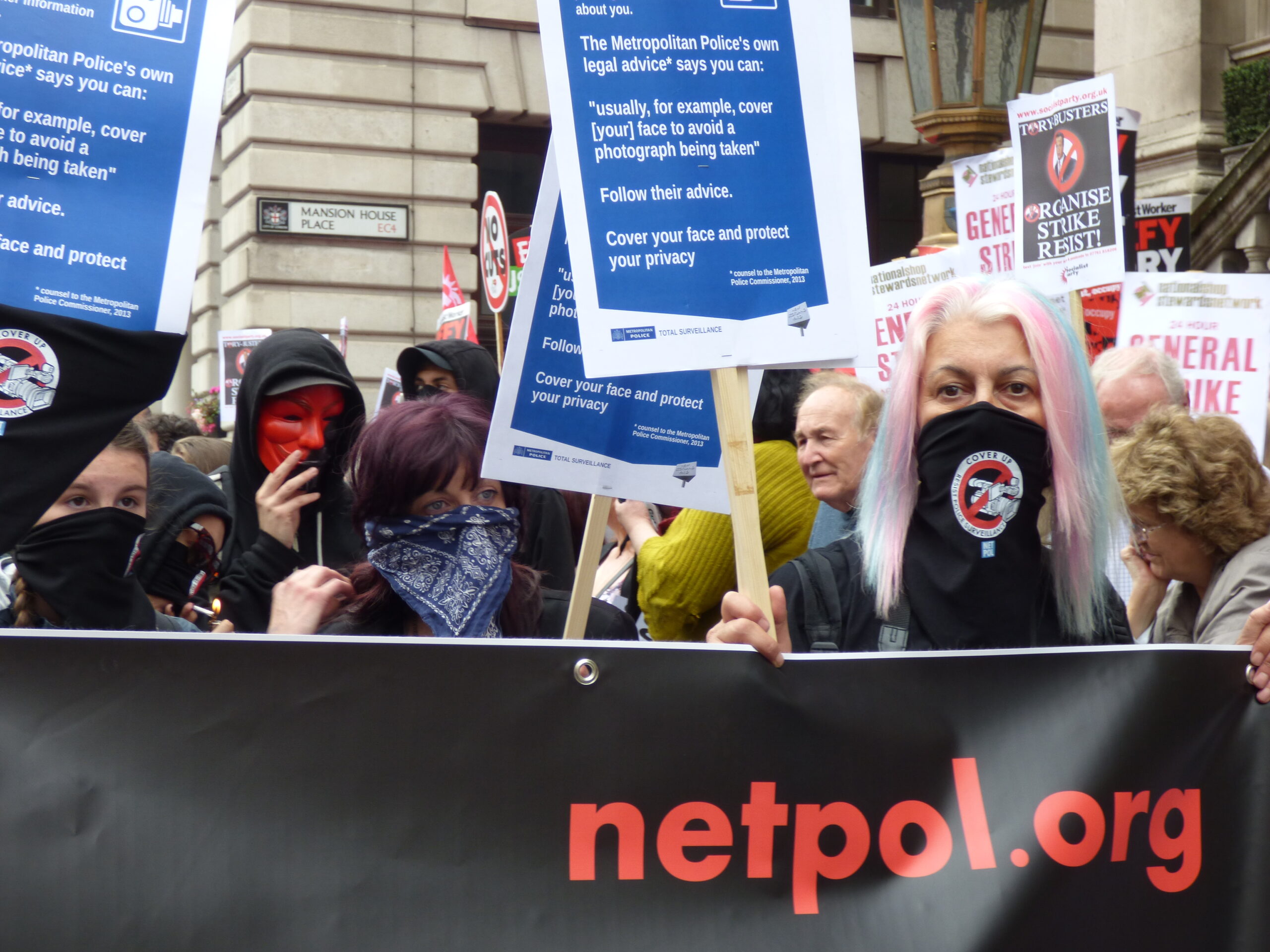
in ProtestsWear a mask to protest your health and others. The coronavirus pandemic is not over, 2 million people in the UK are now experiencing long COVID and tens of thousands of people who have a weakened immune system remain clinically vulnerable. Everyone wearing a mask is a way of offering safety and solidarity to people…
-
Planning protests involving direct action or civil disobedience
—
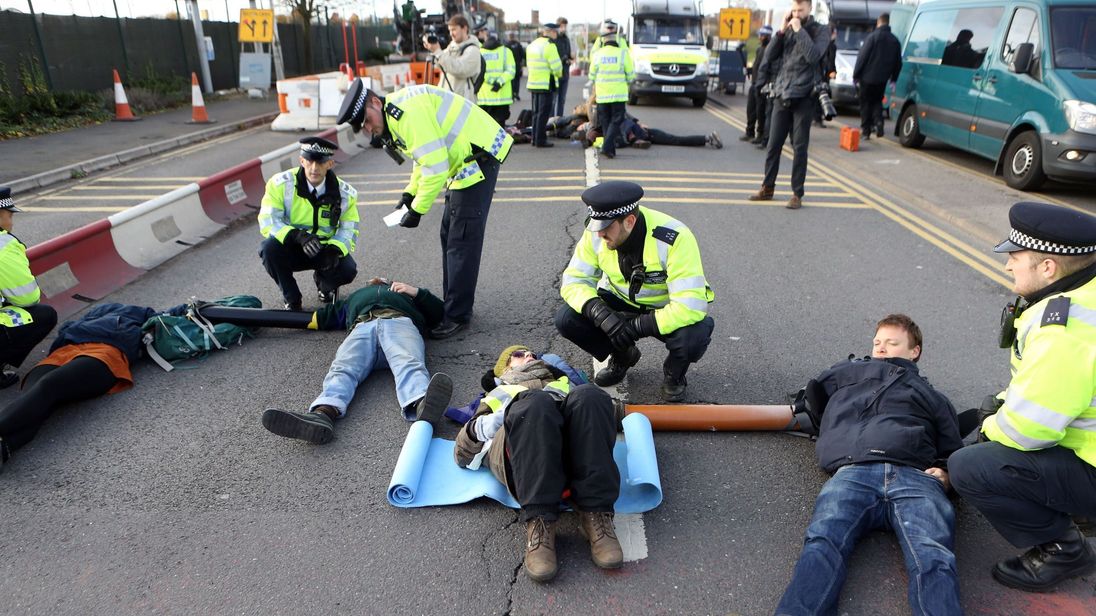
in OrganisingUse the process of managing low/medium/high risks as the basis for planning your action if there is a prospect of arrests, media attention or police surveillance. As members of your campaign or group, consider together: Divide up responsibilities Every decision need not involve everyone – so divide up your planning and organising into separate teams:…
-
What are Police Liaison Officers?
—
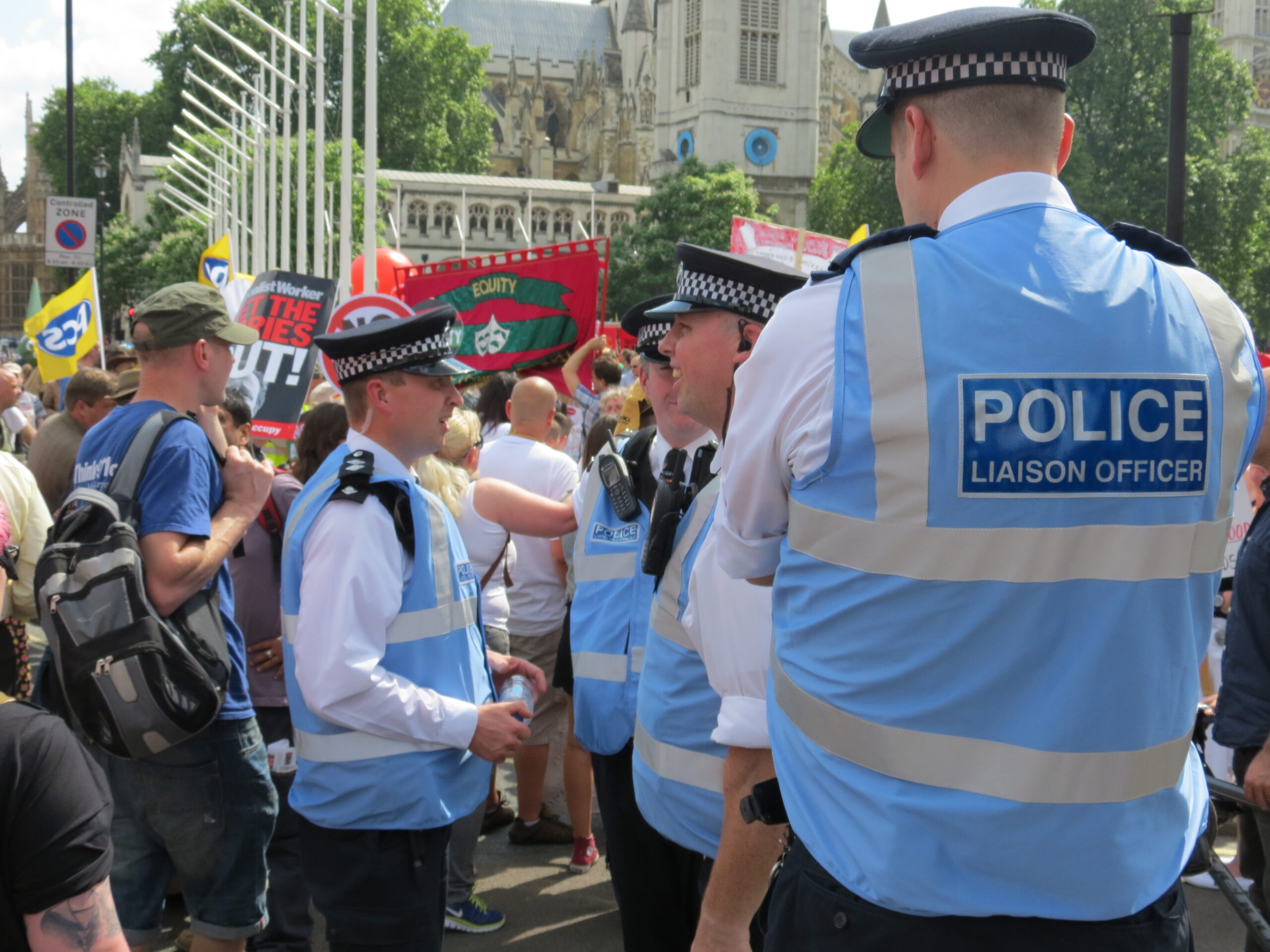
in ProtestsThe presence of uniformed officers at many demonstrations around Britain, who wear light blue bibs with “Police Liaison Officer” on the back, has become commonplace. They seem more friendly than other officers, but their efforts to chat with protesters hide their true role. Police leaders claim their job is to undertake what is misleadingly called…